Jun 30, 2026
Bar, Restaurant, Stadium : How to Choose the Right Beverage Dispensing System for Your Venue
In this guide, we'll break down exactly how beverage carbonation systems work, from the scientific principles of gas solubility to what actually happens inside these machines. We’ll also examine what sets a reliable and efficient system apart from one that leads to inconsistent results, product waste, or costly downtime. By the end of this guide, you’ll clearly understand what makes a carbonation system truly effective and why choosing the right equipment can make all the difference for your business.
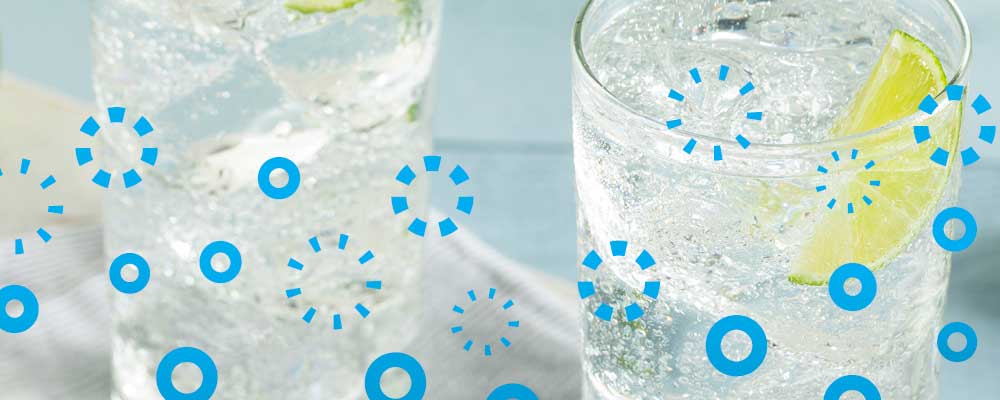
A carbonation system, also called a soda maker or carbonator, is a piece of equipment designed to infuse a liquid, usually water, with carbon dioxide (CO₂) under controlled pressure and temperature. This process produces the fizz and mouthfeel characteristic of sparkling water, sodas, beer and other carbonated beverages.
Essentially, these systems work by bringing CO₂ into contact with the liquid under pressure, allowing the gas to dissolve rather than simply remaining on the surface. Since CO₂ dissolves more easily in a cold liquid, temperature control plays a crucial role in the efficiency and consistency of carbonation.
Carbonation systems come in various sizes but for the hospitality industry in particular, compact and efficient units are the top priority. Designed to fit behind a bar counter or in a restaurant kitchen, a good soda machine they provide fresh sparkling water on demand without the need for bulky industrial equipment.
What distinguishes a good system from a mediocre one generally comes down to a few key factors: the precision with which it controls pressure and temperature, the efficiency with which it uses CO₂ (less waste means lower costs) and the consistency of results over time.
Carbonation involves dissolving carbon dioxide (CO₂) gas into a liquid and keeping it in solution until the beverage is ready to drink. When CO₂ comes into contact with water under pressure, it gets dissolved in water, forming carbonic acid, which gives sparkling water that slightly tangy taste alongside the fizz. Once the pressure is released, like when you pour a glass, the CO₂ escapes back out of the liquid, creating bubbles that rise to the surface.
That's the fizzing effect everyone recognizes. This whole carbonation process is really a matter of science: it depends on getting temperature, pressure and gas volume right. Too little, and you end up with flat water. Too much, and it's overly aggressive. A good carbonation system keeps that balance consistent every time.
When CO₂ gas comes into contact with water under pressure, some of it dissolves into the liquid rather than remaining as separate bubbles. The higher the pressure, the greater the amount of CO₂ molecules absorbed.
This is a basic chemical reaction, and mastering it is really a matter of science. Carbonation systems don't simply inject gas into water and consider the job done. They must create an environment where the pressure is high enough to force a significant amount of CO₂ to dissolve into the solution.
Temperature also plays a key role here. A cold liquid holds dissolved gas much better than a hot liquid, allowing it to reach a higher carbonation level. Think of an open soda left out in the open on a hot day compared to one kept in the refrigerator: the first loses its fizz quickly, while the second retains its bubbles much longer. That’s why most carbonation systems first chill the water before introducing CO₂. The colder the water, the more efficiently it absorbs the gas and the more stable the carbonation remains once the beverage is in your glass or bottle.
Making a glass of sparkling water isn’t difficult. Achieving exactly the same result every time is where the real technical challenge lies. Slight fluctuations in temperature or pressure can lead to inconsistent carbonation: sometimes too flat, sometimes so fizzy that it overflows when served.
This is precisely why the quality of your carbonation system is of paramount importance in the Horeca sector. A well-designed machine automatically maintains constant pressure and temperature, freeing your staff from having to worry about it and guaranteeing your customers sparkling water of impeccable quality with every order.
Ask around and you'll find plenty of people who simply can't go back to flat water once they've gotten used to carbonated water. There's no big mystery here, it just tastes better to a lot of people, and it makes drinking water feel less boring. Many describe the sensation of the bubbles as soft and pleasant rather than harsh.
The bubbles also help with digestion for some people, especially after a heavy meal. That's part of why you'll often see sparkling water served alongside food at restaurants, it cuts through richness and feels lighter on the stomach than still water.
For bars and restaurants, this preference translates directly into sales. Customers who like a good carbonation level, whether they prefer it light or intense, tend to order sparkling water more often, whether on its own or mixed into cocktails and other drinks. Having a natural and reliable way to serve it fresh, without running out or relying on delivery schedules for bottled water, just makes good business sense, especially when the fizz is created on demand right behind the bar.
If you’ve ever wondered how to get fresh sparkling water without buying an endless supply of plastic bottles, the good news is that it’s simpler than most people think. All you really need is a system that combines filtered water and CO₂ at the right pressure, and you’ll have fresh, consistently sparkling water on demand.
At Rotarex Solutions, we’ve developed a range of systems tailored to the space you have available and how you want to serve your water.
The BubbleBox is an excellent option if you're looking for a simple and compact system. It connects directly to the tap water line under your sink and carbonates on demand; without a built-in cooler, it relies on the incoming water already being cold enough to carbonate properly. This means it's best suited for locations where the tap water temperature is naturally low, since, as explained earlier, colder water absorbs CO₂ more efficiently.
The Slim system, on the other hand, is also installed under the sink but features a built-in cooling system. This gives you perfectly chilled sparkling water straight from the tap, ready to serve immediately without any wait.
For bars and countertop installations, the Fizzy system is designed differently. Instead of being hidden under the sink, it sits right on your countertop or bar counter, giving your staff quick access to still and sparkling water. It’s a smart choice for busy bars where speed and ease of access are just as important as quality.